Story
Why I built Minotrace
Why I built a link-analysis board that runs in your browser, has no accounts, and keeps your boards to yourself.
I've spent a long time around investigators: people in fraud, compliance and law enforcement whose job is to connect dots. Watching how they actually work taught me more than any feature list.
Two things stayed with me.
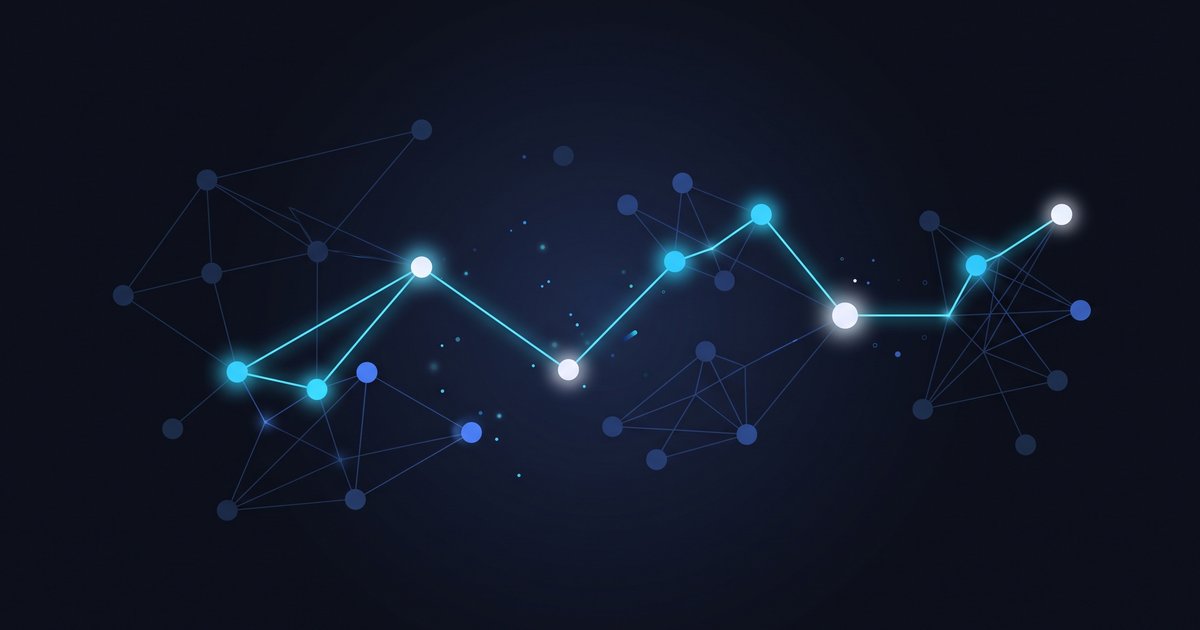
The insight is in the connections. A list of 300 bank transfers tells you very little. The same transfers drawn as a graph show you, in seconds, that three of them went to the same account, just under the reporting limit, on three consecutive days. Investigators know this. It's why link analysis exists.
Most people never get the tools. Professional link-analysis software is powerful, but it's heavy, expensive, and installed on one desktop. A fraud analyst at a small bank, a compliance officer, a journalist, a student learning OSINT: most of them end up with spreadsheets, sticky notes, and whiteboards. Not because they don't know better, but because the good tools aren't within reach.
Building it, from scratch
Minotrace is my attempt to fix the second problem without losing the first.
It's a board for mapping who is connected to whom: people, companies, accounts, phones, money. You open the site and you're already working. There's no install and no sign-up. Ten layouts arrange the board for you, from a force-directed first look to timelines and ownership trees.
I made three choices early on, and they shape everything else.
It runs in your browser. The whole app, including the layouts, runs on your machine. That's why it opens instantly and works on any computer with a modern browser.
There are no accounts. Your boards are stored in your browser, on your device. We don't have a copy, and there's no login to leak. To move a board, you save it to a file and open it somewhere else.
Sharing is end-to-end encrypted. When you share a board, your browser encrypts it before it leaves your device, and the key goes in the part of the link that browsers never send to servers. We store the encrypted data; we can't read it. The security page explains exactly what that protects, and what it doesn't.
None of these are features you see. They're promises about what the tool will never do with your case.
No AI reads your boards
Today, no AI processes your boards. AI features are on the way, and when they come they'll be your choice, with your own key, and the privacy policy will say exactly what changes.
What comes next
Minotrace is in beta and it's free. It's also very new, which means it's still easy to shape. The next things coming are import from spreadsheets, visual search (draw a pattern, find it on your board) and an AI assistant. The order depends on what people ask for.
If you work with connected data, try it on a real problem and tell me what got in the way. Every message is read, and it decides what I build next.